Energia
5 indicatori70
40
si
si
si
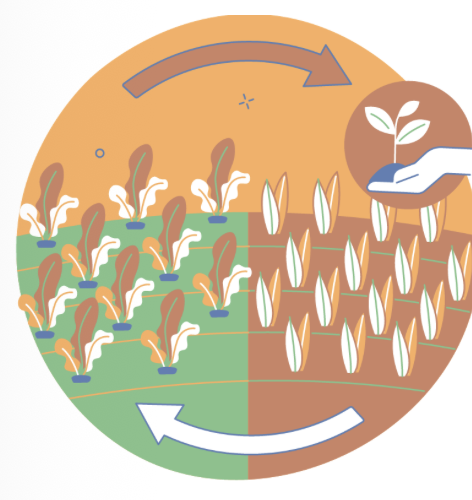
Waste4Soil serves a double purpose: reducing the percentage of food waste in Europe by recycling food-processing residues and turning them into soil improvers to enhance soil health across Europe. Waste4Soil aims to do so through a multi-actor approach at regional level. 7 living labs will be studied, having different cultural and geographical aspects.

The Waste4Soil project addresses the environmental impact generated by food industry waste, particularly the large amount of residues produced during food processing that often end up contributing to pollution and soil degradation. The project aims to convert these residues into valuable, locally produced, bio-based soil enhancers within a circular economy framework. Instead of treating food processing waste as a disposal problem, Waste4Soil transforms it into a resource that can improve soil quality and sustainability. Seven Soil Health Living Labs will be set up in Greece, Spain, Italy, Hungary, Poland, Slovenia, and Finland. These labs will experiment with eight types of food processing residues, assessing their potential to regenerate and enhance soil health under different environmental conditions. Additionally, the project will implement an advanced digital management platform integrating data analytics and Internet of Things technologies. This system will support data collection, monitoring, and performance evaluation, ensuring efficient and evidence-based decision-making throughout the project. Overall, Waste4Soil promotes a circular, sustainable approach to food industry by-products, turning waste into a strategic resource for soil restoration and environmental protection.
The project involves 28 partners from 9 European countries and Switzerland and has been funded to the tune of €7 million. Waste4Soil envisions the development of 10 technological and methodological solutions for recycling food processing residues from the food industry into local, biobased circular soil improvers for improved soil health. A user-driven standardised Evaluation Framework will support stakeholders from the food value chain, including waste managers, to assess their status towards food processing residues circularity and act for recycling suitable waste streams into beneficial soil improvers. To ensure collaborative research and innovation, Waste4Soil will setup 7 Soil Health Living Labs across Europe, in Greece, Finland, Spain, Poland, Hungary, Italy and Slovenia, to study the valorisation of 8 types of food processing residues (i.e., meat, fish, dairy, cereals, olive oil, beverages (wine), fruits and vegetables, and processed food).
• Reduction in food waste disposal costs • Number of new bio-based products developed • Jobs created in circular bioeconomy activities • Increase in revenue from residue valorisation • Investment attracted in sustainable soil solutions • Adoption rate of circular practices by companies
• EU Horizon Europe funding • Financial contribution from consortium partners • Research and laboratory infrastructure • Digital technologies (IoT and data analytics tools) • Human capital (researchers, engineers, managers) • Food processing residues as raw materials
• Development of 10 circular soil enhancer solutions • Testing and validation in 7 Living Labs • Creation of a standardised evaluation framework • Implementation of digital monitoring platform • Collaboration between industry, farmers and researchers
• Validated bio-based soil products • Operational digital management platform • Circularity assessment framework • Pilot demonstrations in multiple EU countries • Technical guidelines for market uptake • Stakeholder training sessions
• Lower operational costs for food processing companies • New business models based on waste valorisation • Increased competitiveness of sustainable agri-inputs • Greater investment in circular bioeconomy sectors. • Stronger collaboration across the food value chain • Improved efficiency in resource use
• Long-term growth of the circular bioeconomy • Increased economic resilience of the agri-food sector • Sustainable job creation in green industries • Reduced dependency on synthetic soil inputs
• Improvement in soil quality and reduction of soil contamination • Reduction of chemical fertiliser use • Levels of pollutants avoided from food waste disposal • Reduction of environmental health risks • Stakeholder awareness of sustainable practices
• Scientific research on soil health and bio-based materials • EU funding for sustainable agriculture • Food processing residues as organic resources • Monitoring technologies (IoT and data analytics) • Expertise from agronomists, environmental scientists and researchers • Living Labs for real-world testing
• Transformation of food residues into safe soil enhancers • Soil testing and monitoring in 7 Living Labs • Data collection on soil performance and contaminant levels • Collaboration with farmers to apply sustainable inputs • Dissemination of safe agricultural practices
• Bio-based soil improvers validated for safe use • Soil health monitoring reports • Guidelines for safe residue valorisation • Data on reduced chemical input needs • Best practice recommendations for farmers • Increased knowledge on soil regeneration
• Reduced exposure to harmful substances in agriculture • Safer agricultural production systems • Improved environmental quality in pilot regions • Greater trust in sustainable soil solutions • Enhanced resilience of farming ecosystems
• Long-term improvement of environmental health • Contribution to safer and more sustainable food systems • Reduced pollution affecting human and ecosystem health • Support for EU soil protection and sustainability goals • Promotion of preventive environmental health strategies
• Reduction in food processing waste sent to landfill • Decrease in greenhouse gas emissions from waste disposal • Improvement in soil organic matter levels • Increase in soil biodiversity and fertility • Reduction in synthetic fertiliser use • Amount of residues valorised into bio-based products
• EU Horizon Europe funding for sustainability • Scientific expertise in soil science and circular economy • Food processing residues as organic resources • Research laboratories and testing facilities • Digital monitoring tools (IoT and data analytics) • Collaboration among 27 consortium partners
• Development of 10 circular solutions for residue valorisation • Testing soil enhancers in 7 Soil Health Living Labs • Monitoring soil quality and environmental parameters • Creating a standardised circularity evaluation framework • Reducing waste through local reuse systems • Sharing best environmental practices across regions
• Bio-based soil enhancers produced and validated • Measurable reduction of waste streams • Soil quality assessment reports • Digital platform for environmental performance monitoring • Practical guidelines for sustainable soil management
• Improved soil structure, fertility and carbon content • Reduced environmental pollution from food waste • Lower dependency on chemical fertilisers • Increased adoption of circular environmental practices • Enhanced ecosystem resilience in pilot areas • Better resource efficiency in the agri-food sector
• Long-term restoration and protection of soil health • Contribution to climate change mitigation through carbon retention • Strengthened circular bioeconomy in Europe • Reduction of landfill use and related emissions • Sustainable management of natural resources • Support to EU Green Deal and soil protection objectives
• Indicators: increase in soil organic carbon; CO₂ emissions avoided from landfill; residues converted into carbon-rich products; GHG reduction vs baseline; pilot sites with measured carbon gains; adoption of carbon-friendly practices
Input: organic residues; EU funding; soil science expertise; Living Labs; monitoring technologies; research partnerships
• Activities: production of compost/biochar; field trials; soil carbon monitoring; GHG assessment; digital tracking; dissemination of best practices
Output: carbon-rich soil improvers; soil carbon data; CO₂ reduction reports; digital monitoring platform; practical guidelines; pilot demonstrations
• Outcome: higher soil carbon levels; lower waste-related emissions; improved soil structure; early adoption of low-carbon practices; better environmental performance
• Impact: long-term carbon sequestration; contribution to climate mitigation; stronger soil carbon sinks; scalable low-carbon circular solutions
• Indicators: reduction of food processing waste sent to landfill; amount of residues valorised; decrease in waste treatment emissions; number of circular solutions implemented; participation of companies in waste reuse schemes
• Input: food processing residues; EU funding; waste management expertise; research facilities; digital monitoring tools; consortium collaboration
• Activities: development of 10 residue valorisation solutions; testing in Living Labs; optimisation of recycling processes; monitoring waste flows; stakeholder engagement in circular practices
• Output: validated waste-to-soil solutions; reduced waste streams; technical guidelines for residue reuse; pilot demonstrations; monitoring data on waste reduction
• Outcome: lower landfill use; improved waste recovery rates; reduced environmental pollution; increased adoption of circular waste practices; stronger cooperation across the value chain
• Impact: long-term shift from disposal to valorisation; more efficient resource use; reduced environmental burden from food waste; scalable circular waste management models in the EU
• Number of technological solutions developed (10) • Deployment of digital monitoring platform • Integration of IoT devices in Living Labs • Level of data collected and analysed • Technology adoption rate among stakeholders • Replicability of developed technical solutions
• Number of technological solutions developed (10) • Deployment of digital monitoring platform • Integration of IoT devices in Living Labs • Level of data collected and analysed • Technology adoption rate among stakeholders • Replicability of developed technical solutions
• Development of 10 bio-based technological solutions • Design and implementation of a digital management platform • Integration of IoT tools for soil and process monitoring • Field testing in 7 Soil Health Living Labs • Data collection, validation and optimisation • Technical knowledge sharing among partners
• Operational digital platform for monitoring and analytics • Validated technological solutions for residue valorisation • IoT-enabled soil monitoring systems • Technical documentation and performance reports • Demonstration pilots across EU regions • Guidelines for technology transfer and replication
• Increased digitalisation in soil and waste management • Improved efficiency of residue transformation processes • Better data-driven decision making • Higher technological capacity in participating regions • Greater innovation in the circular bioeconomy sector • Enhanced collaboration between tech and agri sectors
• Strengthened technological leadership in sustainable innovation • Acceleration of digital transformation in agriculture • Scalable tech-based circular economy solutions • Long-term integration of smart monitoring systems in soil management • Increased competitiveness of EU green technologies • Contribution to innovation-driven sustainability transition
• Indicators: number of communities engaged; stakeholder participation in Living Labs; awareness of circular practices; access to project knowledge; adoption of sustainable behaviours; inclusivity in project activities
• Input: EU funding; local community involvement; expertise in social engagement; training materials; Living Labs infrastructure; consortium support
• Activities: stakeholder workshops; public outreach and education; community testing of soil enhancers; knowledge sharing; inclusion of local farmers and SMEs; promotion of sustainable practices
• Output: reports and guidelines for social engagement; trained community members; awareness campaigns; pilot demonstrations with local participation; feedback collected from stakeholders
• Outcome: increased community understanding of sustainability; greater adoption of circular practices; stronger local networks; improved social participation in environmental initiatives; increased trust in sustainable innovations
• Impact: long-term empowerment of communities; enhanced social cohesion; equitable access to project benefits; integration of civil rights in environmental decision-making; broader societal support for circular economy
• Indicators: number of safer work practices implemented; reduction of exposure to hazardous materials; training sessions conducted; adoption of ergonomic and safe procedures; employee satisfaction; compliance with labor standards
• Input: EU funding; expertise in occupational health and safety; training materials; monitoring tools; research and lab infrastructure; collaboration with partners
• Activities: development of safe handling protocols for residues; training staff and farmers; monitoring workplace conditions in Living Labs; implementing best practices; feedback collection from workers
• Output: safety guidelines and protocols; trained personnel; reports on working conditions; demonstrations of safe residue handling; improved lab and field procedures
• Outcome: safer workplaces; reduced risks for workers handling residues; increased awareness of occupational safety; adoption of improved operational procedures; better compliance with regulations
• Impact: long-term improvement in working conditions; reduced health hazards; safer circular economy practices; stronger labor standards in participating organisations; enhanced employee well-being.
• Indicators: number of policies influenced; collaborations with public authorities; integration of project standards in institutions; stakeholder engagement in governance; adoption of circular economy guidelines; participation in EU networks
• Input: EU funding; expertise in policy and institutional frameworks; consortium partners; Living Labs; digital monitoring tools; research data
• Activities: development of standardised evaluation framework; engagement with local and EU authorities; dissemination of guidelines; workshops with policy makers; coordination among consortium members; reporting to EU bodies
• Output: evaluation framework for circularity; policy briefs and recommendations; technical reports; stakeholder workshops; knowledge shared with institutions; pilot data supporting policy decisions
• Outcome: improved governance in soil and waste management; adoption of project practices by institutions; better-informed policy making; stronger public-private collaboration; replication of project standards in other regions
• Impact: long-term influence on EU sustainability policies; strengthened institutional capacity for circular bioeconomy; integration of project lessons into regulations; enhanced coordination between research and policy; contribution to sustainable institutional frameworks
• Indicators: number of stakeholders engaged; diversity of participants (farmers, industry, researchers); level of involvement in Living Labs; feedback collected; collaboration in project activities; adoption of project recommendations
• Input: EU funding; consortium support; local networks; Living Labs infrastructure; communication and training materials; expertise in stakeholder engagement
• Activities: workshops and co-creation sessions; testing soil enhancers with local actors; knowledge sharing and training; surveys and feedback collection; collaboration across regions; dissemination of project results
• Output: trained stakeholders; reports on participation; guidelines incorporating stakeholder input; pilot demonstrations with active participation; improved communication channels
• Outcome: increased stakeholder awareness and skills; stronger collaboration across the food value chain; adoption of circular practices; improved trust and engagement; enhanced capacity for local decision-making
• Impact: long-term stakeholder empowerment; sustained collaboration in circular economy initiatives; greater uptake of sustainable practices; stronger networks supporting soil health and waste valorisation
• Indicators: number of regions benefiting; pilot sites established; local adoption of circular practices; improvement in regional soil health; stakeholder engagement per region; replication potential in other areas
• Input: EU funding; local partners and authorities; Living Labs infrastructure; technical expertise; community networks; food processing residues
• Activities: implementation of Soil Health Living Labs; regional testing of soil enhancers; collaboration with local farmers and businesses; monitoring and data collection; dissemination of best practices; regional workshops
• Output: validated solutions in multiple regions; reports on local soil improvements; guidelines for regional adoption; trained local stakeholders; pilot demonstrations; local environmental data
• Outcome: improved soil quality at regional level; adoption of circular economy practices locally; stronger regional networks; informed regional decision-making; increased capacity for sustainable land management
• Impact: long-term enhancement of regional environmental and economic resilience; replication of circular practices across Europe; sustainable local agriculture; strengthened territorial cohesion
• Indicators: number of training sessions; number of participants educated; increase in knowledge about circular economy; stakeholder understanding of sustainable soil management; educational materials produced; level of knowledge retention
• Input: EU funding; expertise in education and training; Living Labs as learning environments; communication materials; research data; consortium support
• Activities: workshops and training sessions; dissemination of guidelines and best practices; co-creation sessions in Living Labs; development of educational content; knowledge sharing among stakeholders; interactive demonstrations
• Output: trained participants; educational materials and guides; reports on learning outcomes; workshops conducted; enhanced skills of farmers, researchers, and SMEs; pilot demonstrations with learning components
• Outcome: increased awareness and knowledge of circular practices; improved skills in sustainable soil management; adoption of learned techniques; stronger stakeholder capacity; enhanced understanding of project goals
• Impact: long-term knowledge transfer; empowerment of communities and stakeholders; integration of circular economy concepts into local practices; strengthened innovation and learning culture; sustainable behavioral change
• Indicators: number of training sessions; number of participants educated; increase in knowledge about circular economy; stakeholder understanding of sustainable soil management; educational materials produced; level of knowledge retention
• Input: EU funding; expertise in education and training; Living Labs as learning environments; communication materials; research data; consortium support
• Activities: workshops and training sessions; dissemination of guidelines and best practices; co-creation sessions in Living Labs; development of educational content; knowledge sharing among stakeholders; interactive demonstrations
• Output: trained participants; educational materials and guides; reports on learning outcomes; workshops conducted; enhanced skills of farmers, researchers, and SMEs; pilot demonstrations with learning components
• Outcome: increased awareness and knowledge of circular practices; improved skills in sustainable soil management; adoption of learned techniques; stronger stakeholder capacity; enhanced understanding of project goals
• Impact: long-term knowledge transfer; empowerment of communities and stakeholders; integration of circular economy concepts into local practices; strengthened innovation and learning culture; sustainable behavioral change
• Indicators: cost savings from waste reduction; revenue generated from bio-based soil products; new investments attracted; number of businesses adopting circular solutions; financial efficiency of processes; funding leveraged for scale-up
• Input: EU Horizon Europe funding; consortium financial contributions; infrastructure and lab resources; technical expertise; digital monitoring tools; food processing residues as raw materials
• Activities: development and testing of circular solutions; demonstration pilots; stakeholder training on economic benefits; analysis of cost-effectiveness; dissemination of financial guidelines; support for market uptake
• Output: validated soil enhancer products with economic value; reports on cost savings and market potential; financial assessment tools; pilot demonstrations with economic data; business guidelines; stakeholder feedback on profitability
• Outcome: increased profitability for participating companies; reduced operational costs; new market opportunities for sustainable products; informed investment decisions; adoption of economically viable circular practices
• Impact: long-term financial sustainability of circular bioeconomy models; strengthened green business opportunities; enhanced EU competitiveness in sustainable agriculture; scalable economically viable solutions; contribution to regional and sectoral economic growth